

Virtual Reality in Marketing: Pros and Cons
 Toshendra Sharma
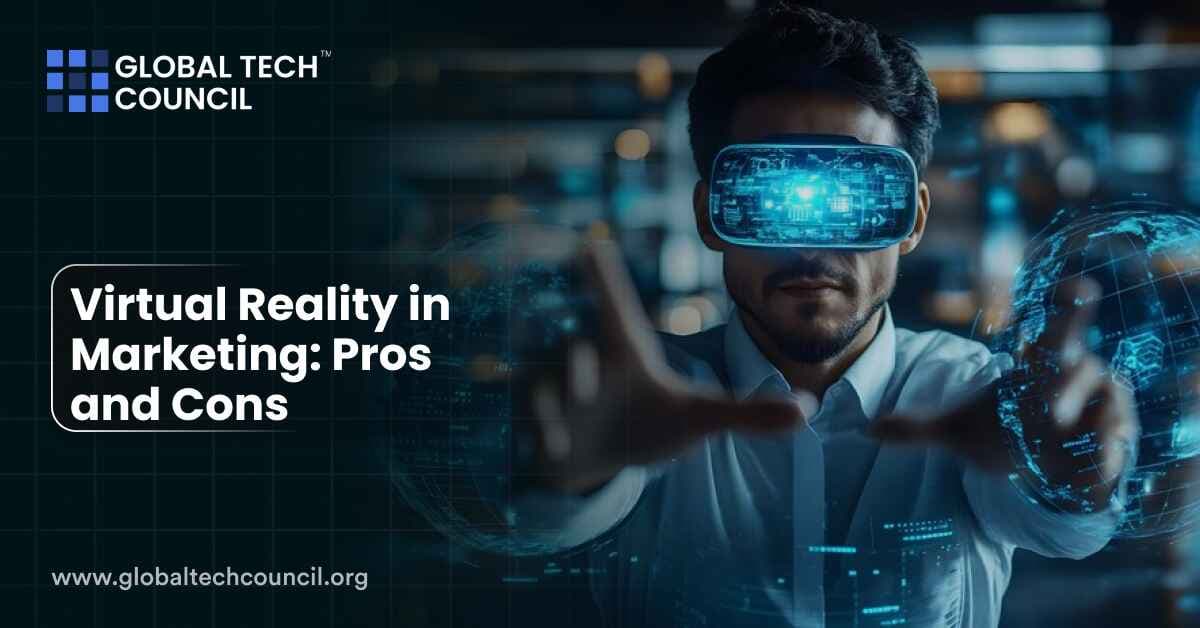
When virtual reality first came to the market, no one thought that it would become so popular. We had no idea of the potential of this technology. But, today, you can see it everywhere, be it video games or on Facebook.
The importance and significance of the technology can be seen in the fact that Samsung has launched its VR headsets for all the gamers. Even Mark Zuckerberg spent more than USD 2 billion to integrate virtual reality on Facebook.

Hence, in this article, we will discuss the pros and cons of virtual reality in marketing.
Pros
- Virtual reality is known to promote customer engagement. We live in an era of new technologies and users love when your website has any of these technologies. A study shows that VR content on the website can lead to 50% more engagement.
- VR has the capabilities to open new doors for content marketing. Take IKEA, for example. Instead of just focusing on the content, they enable users to see how furniture will look in reality through the VR app. This element improves the content engagement of the users.
- Do you remember Pokemon Go? This portrayed a great example of how you become a storyteller with VR. You can engage your audience in virtual reality and help them imagine what reality related to your services or products would look like.
- VR is convenient. With so many advancements, even startups can easily use virtual reality in marketing to improve engagement. For instance, creating 360-degree videos for Facebook.
Cons
- While VR is amazing, its gear is often expensive. Even with the cheapest counterpart, you will have to spend a good amount of money on the infrastructure of VR. However, we believe that this investment can trigger long-term growth, which increases your ROI and you would be able to cover up the cost.
- Virtual reality increases the risk of cybersecurity. Like any other technology that goes online, virtual reality is also susceptible to cyber threats. However, for this too, there are so many services and technological security layers that can be used to improve security structure.
Conclusion
Even with all the drawbacks and cons of virtual reality, it is still growing.
Why?
Because the technology has potential.
Imagine this:
You are in an IT workshop and you see a section of VR. You see people wearing VR sets and enjoying the virtual reality. Won’t you just run towards this section as soon as you see it?
We all would!
That is the power of VR.
Hence, there is no reason for not using VR for your marketing efforts. Just remember to optimize the experience and implement extra security.
Related Articles
View All
Virtual Reality
Marketing in the era of virtual reality
Marketing is a field that keeps on evolving as the world around us change. We still remember the TV commercials we saw when we were kids. The kind of impact they had on us was capturing. As the world has changed, so are the users. Those same commercials will not have the same impact ……

Virtual Reality
How Blockchain technology can accelerate the virtual reality revolution?
The pandemic has affected people in all aspects which have spurred furthered adoption of Virtual reality (VR) technology. It has even dealt with COVID-19 difficulties effectively. In addition to this, businesses have turned to remote work. It is believed that the virtual reality market will grow…

Virtual Reality
6 Tips To Use Virtual Reality In Online Training
Simulations and branching situations are helpful online teaching aids by virtual reality experts. Some corporate learners may find it difficult to immerse themselves in the scenario, especially if there are distractions. Virtual reality certification has the potential to transform everything. There…
Trending Articles
The Role of Blockchain in Ethical AI Development
How blockchain technology is being used to promote transparency and accountability in artificial intelligence systems.
AWS Career Roadmap
A step-by-step guide to building a successful career in Amazon Web Services cloud computing.
Top 5 DeFi Platforms
Explore the leading decentralized finance platforms and what makes each one unique in the evolving DeFi landscape.