


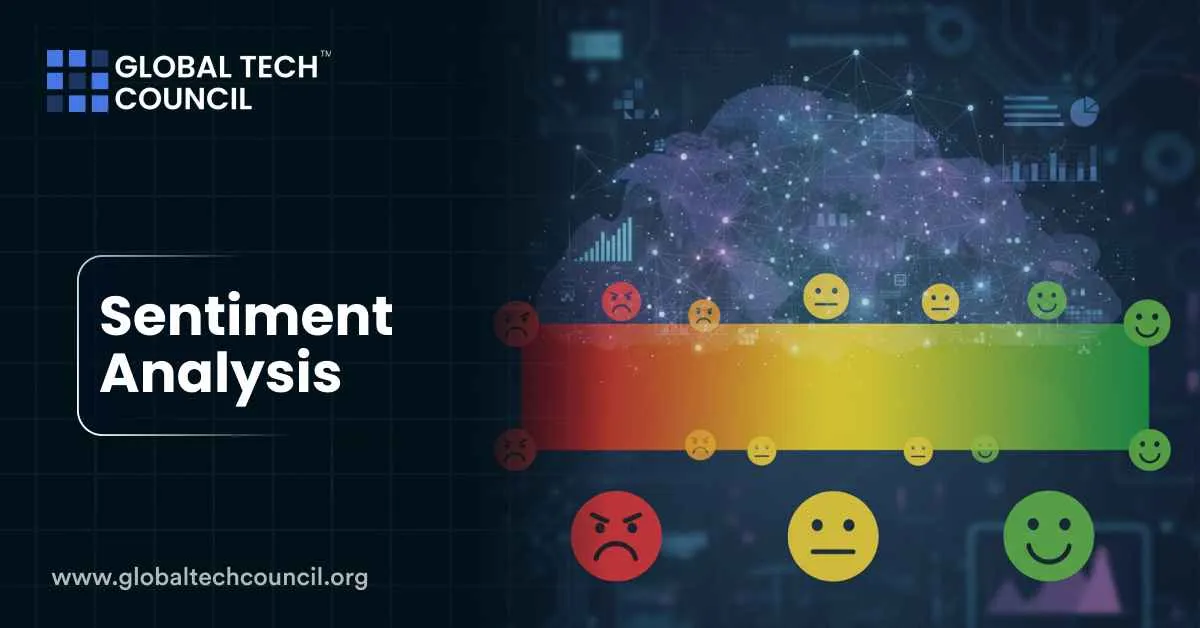
 Every review, tweet, or support ticket carries more than just words—it carries emotions. Businesses are discovering that tracking these emotions is just as important as measuring sales. Sentiment analysis, sometimes called opinion mining, allows organizations to decode how customers feel about products, services, or brands. By using natural language processing and machine learning, companies can turn unstructured chatter into insights that drive loyalty, trust, and smarter decisions. For professionals interested in building the technical backbone of these tools, a Data Science Certification offers practical skills for analyzing text, modeling emotions, and extracting signals from complex datasets.
How Sentiment Analysis Works
At its simplest, sentiment analysis classifies text into categories such as positive, negative, or neutral. More advanced models go further, detecting emotions like joy, frustration, or anger. Techniques like aspect-based sentiment analysis allow businesses to understand not just overall tone but specific feedback: a customer may love the product’s quality but dislike its price. With modern data pipelines, sentiment can be tracked across social media posts, emails, chats, and even voice transcriptions.
Why Businesses Rely on Sentiment Analysis
- Customer experience: Retailers and service providers use emotional data to personalize campaigns and tailor responses.
- Brand health monitoring: Social listening platforms scan millions of mentions daily to spot crises before they escalate.
- Product improvement: Feedback loops highlight which features frustrate users, helping teams prioritize fixes.
- Trend forecasting: Emotional patterns in online conversations reveal shifts in consumer culture before they hit mainstream.
By going beyond raw numbers, companies gain a deeper understanding of what really drives customer behavior.
Applications of Sentiment Analysis
| Application Area | How It Drives Value |
| Customer Support | Flags frustrated customers for faster responses |
| Product Feedback | Identifies recurring complaints or praised features |
| Marketing Campaigns | Aligns messaging with audience emotions |
| Reputation Management | Detects brand crises early on social platforms |
| Retail Personalization | Adjusts promotions based on consumer mood |
| Market Research | Spots emerging trends in conversations |
| Employee Feedback | Gauges workplace sentiment for HR initiatives |
| Financial Services | Tracks investor confidence through social chatter |
| Healthcare | Analyzes patient satisfaction and emotional tone |
| Politics & Public Policy | Measures public opinion on campaigns or reforms |
Benefits That Translate Into Impact
Sentiment analysis makes a difference in real numbers. Faster detection of dissatisfaction reduces churn. Aligning ads with positive emotional triggers improves engagement. Transparent monitoring builds trust, since customers feel heard when brands respond quickly. In retail and consumer industries, companies adopting these tools have seen stronger customer loyalty and measurable gains in satisfaction scores.
The Challenges That Remain
Despite progress, decoding emotions isn’t perfect. Sarcasm, irony, and cultural nuances still trip up algorithms. Language evolves quickly, with new slang emerging faster than models are updated. Data quality also matters—misspellings or code-mixed text can reduce accuracy. Finally, multilingual sentiment analysis requires native-level understanding, not just machine translation. Without careful design, insights can be misleading.
Where Sentiment Analysis Is Heading
Future tools will do more than classify emotions—they’ll predict how changing sentiment impacts revenue, loyalty, or product adoption. Real-time dashboards are becoming the norm, allowing managers to spot sentiment spikes as they happen. Emotion mapping across geographies is also gaining traction, giving global brands the cultural awareness they need to tailor strategies.
For those who want to link emotional analytics to larger organizational outcomes, a Marketing and Business Certification provides the perspective to apply insights effectively.
Building Ethical and Scalable Systems
As sentiment analysis becomes mainstream, trust and transparency are essential. Companies must ensure that emotional data is used responsibly, with fairness and compliance at the forefront. AI bias audits, ethical frameworks, and explainable models are becoming part of industry best practices. For professionals aiming to design systems that scale securely while respecting ethics, a deep tech certification provides advanced knowledge in responsible AI development.
Conclusion
Sentiment analysis turns everyday conversations into strategic insight. By understanding not just what customers say but how they feel, businesses can strengthen loyalty, build trust, and make smarter decisions. Challenges like sarcasm, data quality, and cultural nuance remain, but the trajectory is clear—sentiment analytics is moving toward predictive, real-time, and globally aware solutions. Organizations that invest in both technical and ethical expertise will be the ones best positioned to decode emotions and translate them into long-term growth.
Leave a Reply