

AI in Healthcare
 Tosh Marketing
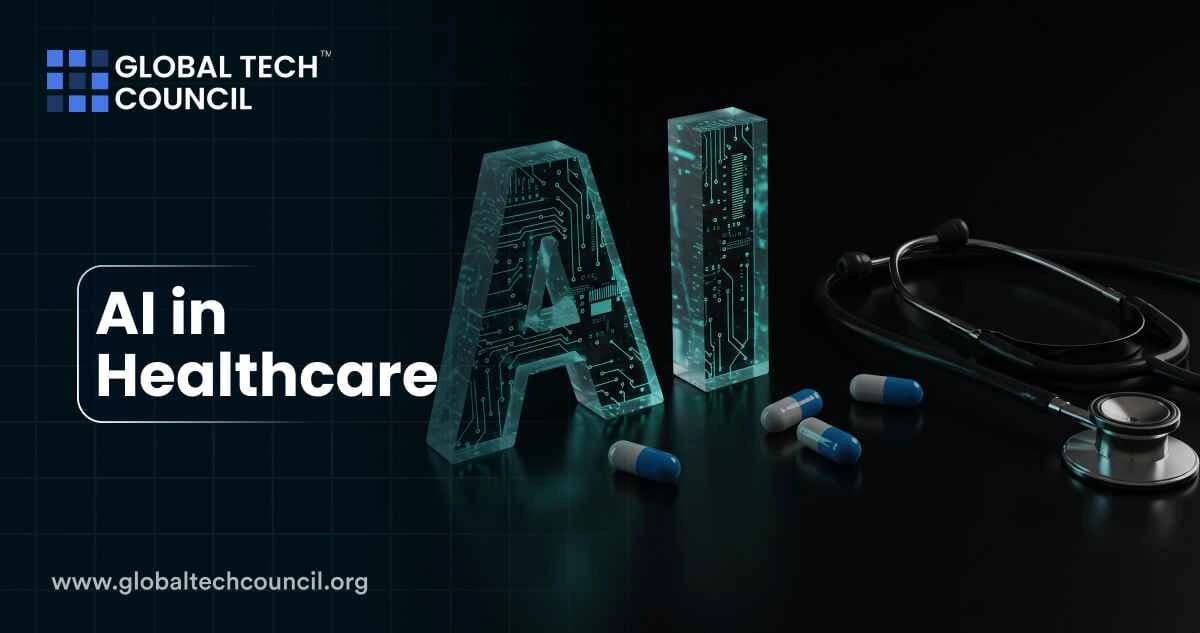 Artificial Intelligence is reshaping healthcare at an unprecedented pace, bringing smarter, faster, and more efficient solutions to modern medicine. What once seemed like a futuristic concept is now embedded in everyday clinical practices, from diagnosis and treatment planning to patient engagement and hospital management.
Today, AI is not just supporting healthcare professionals but actively enhancing decision making, improving accuracy, and reducing operational inefficiencies. As the adoption of AI continues to grow, professionals are also upgrading their skills through programs like the AI Expert certification and the Agentic AI certification, which are becoming essential for building expertise in this rapidly evolving field.

This article explores real world applications of AI in healthcare, highlights its benefits, and explains how it is transforming the future of medicine.
What Does AI Mean in Modern Healthcare?
Artificial Intelligence in healthcare refers to the use of advanced computational systems that can analyze data, learn from patterns, and make intelligent decisions. These systems combine machine learning, natural language processing, and computer vision to assist in medical tasks.
Unlike traditional healthcare technologies, AI systems continuously improve as they process more data. This ability makes them particularly valuable in handling complex medical cases and large scale patient data.
AI is now being used not only in clinical environments but also in research, administration, and patient communication, making it a comprehensive solution across the healthcare ecosystem.
Key Reasons Behind the Rise of AI in Healthcare
The rapid integration of AI in healthcare is driven by several critical factors:
- Increasing demand for faster and more accurate diagnoses
- Rising healthcare costs worldwide
- Growing patient expectations for personalized care
- Shortage of skilled medical professionals
- Expansion of digital health data
AI addresses these challenges by automating repetitive tasks, improving clinical precision, and enabling data driven insights that support better outcomes.
Real World Applications of AI in Healthcare
AI Powered Diagnostics and Imaging
AI has significantly improved the way medical imaging is analyzed. Advanced algorithms can process X rays, CT scans, and MRIs faster than traditional methods while maintaining high accuracy.
Example: DeepMind in Eye Care
AI systems developed by DeepMind can detect multiple eye diseases from retinal scans. These tools help doctors diagnose conditions at an early stage, reducing the risk of severe complications.
Example: Watson for Oncology
AI powered platforms analyze patient history and global medical research to assist doctors in identifying the best treatment strategies, especially in complex cancer cases.
These advancements reduce diagnostic delays and improve treatment planning.
AI Accelerating Drug Discovery
Drug development is one of the most expensive and time consuming processes in healthcare. AI is transforming this field by speeding up research and reducing costs.
Example: Insilico Medicine
This company used AI to discover a potential drug candidate in a fraction of the traditional timeline.
Example: BenevolentAI in Pandemic Response
During global health crises, AI has been used to identify existing drugs that can be repurposed, enabling faster treatment solutions.
AI driven drug discovery not only accelerates innovation but also increases the chances of successful outcomes.
Personalized Treatment Through AI
AI enables healthcare providers to design treatments tailored to individual patients. By analyzing genetic information, lifestyle data, and medical history, AI ensures more precise care.
Example: Precision Oncology Platforms
AI systems analyze tumor data to recommend targeted therapies for cancer patients.
Example: Genetic Analysis Tools
These tools provide insights into potential health risks, allowing patients to take preventive measures.
Personalized medicine improves effectiveness while reducing unnecessary treatments.
Smart Surgical Systems
AI powered robotic systems are enhancing surgical precision and efficiency. These systems assist surgeons in performing delicate procedures with minimal error.
Example: Robotic Assisted Surgery
Modern surgical robots allow for minimally invasive procedures, resulting in quicker recovery and reduced risk for patients.
AI driven surgery represents a major leap forward in medical technology.
Virtual Health Assistants and Chatbots
AI powered virtual assistants are transforming patient interaction by providing instant medical guidance and support.
Example: AI Symptom Checkers
Patients can input symptoms and receive guidance on possible conditions and next steps.
Example: Digital Health Platforms
These platforms offer round the clock consultations and health monitoring.
Virtual assistants improve accessibility and reduce pressure on healthcare facilities.
Predictive Healthcare Analytics
AI helps healthcare providers predict future health risks and take preventive measures.
Example: Risk Prediction Systems
Hospitals use AI to identify patients at risk of complications or readmission.
Example: Population Health Management
AI analyzes large datasets to detect patterns and improve public health strategies.
Predictive analytics shifts healthcare from reactive treatment to proactive care.
Automation in Healthcare Operations
Administrative inefficiencies can slow down healthcare delivery. AI addresses this by automating routine processes.
Example: Workflow Automation Tools
AI systems manage scheduling, billing, and documentation with minimal human intervention.
Example: Process Optimization Platforms
These tools streamline hospital operations and reduce errors.
Automation allows healthcare professionals to dedicate more time to patient care.
Importance of Technical Skills in AI Healthcare
The success of AI in healthcare depends on skilled professionals who can design, implement, and manage these systems. Developers and engineers play a crucial role in building AI driven solutions.
Programs like the AI Powered coding expert certification help individuals gain practical knowledge in AI development.
Additionally, gaining expertise in advanced technologies through platforms like deeptech certification enables professionals to stay competitive in this fast growing field.
AI in Healthcare Marketing and Patient Engagement
AI is also revolutionizing how healthcare organizations communicate with patients. It enables targeted messaging, personalized campaigns, and improved engagement.
Healthcare providers use AI to:
- Analyze patient preferences and behavior
- Deliver personalized health content
- Optimize digital marketing strategies
Professionals looking to specialize in this area can benefit from programs like the AI powered digital marketing expert certification.
Advantages of AI in Healthcare Systems
Enhanced Accuracy
AI reduces human error and improves diagnostic precision.
Faster Decision Making
AI processes large datasets quickly, enabling faster clinical decisions.
Cost Optimization
Automation reduces operational costs and improves resource utilization.
Improved Patient Experience
AI powered tools provide personalized and efficient healthcare services.
Better Health Outcomes
Early detection and predictive insights lead to more effective treatments.
Challenges and Ethical Concerns
Despite its benefits, AI in healthcare presents several challenges that must be addressed.
Data Security and Privacy
Protecting sensitive patient information is critical in AI driven systems.
Algorithm Bias
AI models may produce biased outcomes if trained on incomplete or unbalanced data.
Regulatory Compliance
Healthcare technologies must meet strict legal and ethical standards.
Skill Shortage
There is a growing need for trained professionals who understand AI technologies.
Addressing these challenges is essential to ensure safe and responsible AI adoption.
Future Outlook of AI in Healthcare
The future of AI in healthcare is filled with opportunities and innovation. Emerging trends include:
- Real time diagnostics powered by AI
- Wearable devices for continuous monitoring
- Remote healthcare services and telemedicine
- Autonomous AI systems capable of independent decision making
Agentic AI is expected to play a major role in the next phase of healthcare transformation by enabling intelligent systems to act independently while collaborating with human experts.
Final Thoughts
AI is transforming healthcare by improving diagnostics, accelerating drug discovery, enabling personalized treatment, and enhancing patient care. Real world applications demonstrate its potential to address some of the most pressing challenges in the industry.
As technology continues to evolve, the demand for skilled professionals will increase. By gaining relevant knowledge and certifications, individuals can actively contribute to the future of healthcare innovation.
The integration of AI is not just improving healthcare systems but redefining how care is delivered globally.
Frequently Asked Questions
1. What is the role of AI in healthcare?
AI helps analyze medical data, improve diagnostics, and enhance patient care through intelligent systems.
2. How is AI used in disease detection?
AI analyzes medical images and patient data to identify diseases at early stages.
3. What are real examples of AI in healthcare?
Examples include medical imaging, robotic surgery, drug discovery, and virtual health assistants.
4. Can AI replace healthcare professionals?
AI supports professionals by improving efficiency but does not replace human expertise.
5. How does AI improve patient experience?
AI enables personalized care, faster diagnosis, and better communication.
6. What challenges does AI face in healthcare?
Challenges include data privacy, algorithm bias, and regulatory compliance.
7. What skills are needed for AI in healthcare?
Skills include programming, machine learning, and data analysis.
8. Why are AI certifications important?
Certifications validate expertise and improve career opportunities in AI fields.
9. How does AI help in drug development?
AI speeds up research by analyzing biological data and predicting outcomes.
10. What is the future of AI in healthcare?
The future includes advanced diagnostics, personalized medicine, and autonomous AI systems.
Related Articles
View All
AI & ML
Meet Google Playground: Create Games With AI
Meet Google Playground, Google's new experimental platform that lets you create, play, and share custom games with text prompts. Learn how it works, basic game design tips, a sample session, safety and sharing features, Unity Spark plans, and limits.
AI & ML
OpenAI Dots vs Grok Bot vs Muse
Compare OpenAI Dots, Grok Bot, and Meta Muse to understand how these persistent AI agents differ in cloud computer use, connected apps, automation, memory, and long-running workflows.
AI & ML
What Is OpenAI Dots?
Learn what OpenAI Dots are, how these always-on AI agents work, and how they use GPT-6 Astra, cloud computers, connected apps, and persistent context to manage ongoing tasks.
Trending Articles
The Role of Blockchain in Ethical AI Development
How blockchain technology is being used to promote transparency and accountability in artificial intelligence systems.
AWS Career Roadmap
A step-by-step guide to building a successful career in Amazon Web Services cloud computing.
Top 5 DeFi Platforms
Explore the leading decentralized finance platforms and what makes each one unique in the evolving DeFi landscape.