

Microsoft Solution Architect

Enterprises today run on a tangled web of Microsoft technologies: Azure for infrastructure, Microsoft 365 for productivity, Power Platform for automation, and Copilot for AI-driven workflows. Few professionals can architect across all of them. That gap is exactly what the Certified Microsoft Solution Architect credential is designed to close, and it explains why this role has become one of the most sought-after positions in enterprise technology.
This guide breaks down what a Microsoft Solution Architect actually does, why the role matters in 2026, what the certification covers, and how it compares to traditional vendor-specific exams.

What Is a Microsoft Solution Architect?
A Microsoft Solution Architect is a technology professional who designs, integrates, and governs enterprise systems built on Microsoft's ecosystem. Rather than specializing in a single product, this role connects Azure infrastructure, Microsoft 365 collaboration tools, Power Platform automation, and security frameworks into one coherent, scalable solution.
Organizations rely on solution architects to make sure these systems work together efficiently, securely, and in alignment with business goals. As Microsoft's ecosystem keeps expanding, particularly with AI-powered tools like Copilot, the role has shifted from technical implementation toward strategic, cross-platform design.
Why the Certified Microsoft Solution Architect Credential Matters in 2026
The Skills Gap Is Cross-Platform, Not Single-Tool
Most IT professionals are trained deeply in one Microsoft product, such as Azure administration or Microsoft 365 management. However, enterprises increasingly need people who can connect these systems into a unified architecture. The Certified Microsoft Solution Architect program addresses this directly by covering Microsoft 365, Azure, Power Platform, security, and governance within a single, structured curriculum.
AI Integration Is Reshaping the Role
Microsoft Copilot and other AI-powered productivity tools are now embedded across the Microsoft ecosystem. Consequently, architects must understand how to deploy these tools while maintaining data security and governance standards. This certification includes a dedicated module on Copilot and AI-powered productivity, ensuring professionals stay current with this shift. For architects who want to deepen their understanding of AI fundamentals beyond Copilot specifically, pursuing a broader AI Certification can reinforce the underlying concepts behind machine learning, model behavior, and responsible AI deployment.
Governance and Security Are Non-Negotiable
As organizations scale their Microsoft environments, identity management, compliance, and cloud governance become critical. This certification dedicates entire modules to enterprise security, compliance, and responsible technology governance, equipping professionals to architect environments that are not only functional but also secure and auditable.
What Does a Microsoft Solution Architect Do?
A Microsoft Solution Architect typically manages several interconnected responsibilities:
Designing integrated solutions across Azure, Microsoft 365, and Power Platform
Establishing cloud governance frameworks and security policies
Managing identity and access through tools like Microsoft Entra ID
Leading digital transformation initiatives aligned with business strategy
Deploying AI-powered productivity tools such as Copilot responsibly
Communicating technical decisions to leadership and stakeholders
Because the role spans both technical execution and strategic leadership, it suits professionals who want to grow beyond single-platform administration into broader architectural responsibility.
Is the Certified Microsoft Solution Architect Certification Worth It?
For professionals already working within the Microsoft ecosystem, this certification offers a structured path to formalize and expand existing skills. It validates cross-platform expertise rather than narrow, single-product knowledge, which is increasingly what employers look for when filling architecture-level roles.
The program also includes leadership, communication, and ESG-focused modules, reflecting the reality that modern architecture roles require more than technical skill. Professionals are expected to align technology decisions with organizational strategy and responsible governance practices.
For career changers or IT managers without deep prior Microsoft administration experience, the program is still accessible. It is positioned at an intermediate-to-advanced level, and while prior familiarity with basic Microsoft 365 or Azure concepts is helpful, the curriculum builds foundational knowledge before progressing into advanced architecture topics.
What's Included in the Certified Microsoft Solution Architect Program
The certification consists of 13 modules delivered over 30 hours of self-paced, hands-on content, including simulations and real-world projects:
Introduction to Microsoft Technologies and Enterprise Ecosystems
Microsoft 365 Productivity and Collaboration Systems
Azure Cloud Fundamentals
Azure Administration and Infrastructure Management
Enterprise Security and Compliance
Microsoft Copilot and AI-Powered Productivity
Business Automation and Power Platform
Cloud Governance and Digital Transformation
Enterprise Operations and Workflow Management
Leadership and Professional Communication
ESG and Responsible Technology Governance Practices
Career Development and Professional Growth
Real-World Microsoft Technology Projects
This structure ensures learners move from foundational Microsoft concepts through advanced architecture, governance, and leadership skills, finishing with applied, real-world projects.
Certified Microsoft Solution Architect vs. Traditional Microsoft Exams
A common question professionals ask is how this certification compares to official Microsoft exams like AZ-305 (Azure Solutions Architect) or PL-600 (Power Platform Solution Architect).
Aspect | Certified Microsoft Solution Architect (CMSA) | Vendor-Specific Exams (e.g., AZ-305, PL-600) |
Scope | Cross-platform: Azure, Microsoft 365, Power Platform, security, AI | Single-platform deep dive |
Format | Self-paced, 30 hours, hands-on projects | Timed proctored exam |
Focus | Integration, governance, leadership, strategy | Technical mastery of one product line |
Best for | Professionals seeking broad architectural fluency | Professionals seeking deep, vendor-recognized specialization |
It's worth noting clearly: this certification does not replace official Microsoft exams. Instead, it complements them by validating broader, cross-platform architectural thinking, the kind of integration skill that single-product exams are not designed to test. Many professionals pursue both: vendor exams for deep technical validation, and a cross-platform certification like this one for strategic, enterprise-wide architecture skills.
Who Should Pursue This Certification?
This program is built for several professional profiles, and it sits within a much broader landscape of DeepTech Certification options for professionals looking to validate skills across cloud, security, automation, and emerging technologies.
Cloud and Azure Professionals moving from administration into architecture roles, where they'll need to design secure, cost-effective, integrated cloud solutions.
Microsoft 365 Administrators expanding their scope from productivity tools into broader enterprise architecture covering security and governance.
IT Managers and Leaders who need to align Microsoft technology decisions with organizational strategy and digital transformation goals.
Security and Compliance Specialists responsible for identity management and threat protection who want to architect secure environments end-to-end.
Power Platform and Automation Specialists looking to integrate low-code tools into larger enterprise architecture strategies.
Technology Consultants who guide organizations through Microsoft ecosystem adoption and need credible, cross-platform expertise to support client engagements.
Career Paths After Certification
Professionals who complete this certification commonly pursue roles such as:
Microsoft Solution Architect
Azure Administrator
Cloud Engineer
Microsoft 365 Specialist
Technology Consultant
Security and Compliance Professional
Power Platform Specialist
Digital Transformation Consultant
As enterprises continue consolidating their technology stacks around Microsoft's ecosystem, demand for professionals who can architect across these platforms, rather than manage them in isolation, is expected to keep growing.
How to Get Started
The path toward becoming a Microsoft Solution Architect does not require starting from an advanced technical background. The certification begins with foundational concepts, including tenant structures, licensing, and identity providers, before progressing through Azure infrastructure, security, automation, and governance.
Each module combines structured learning with hands-on simulations, ensuring that by the end of the program, learners have practical experience deploying and managing real Microsoft environments, not just theoretical knowledge. Since technology consultants and architects often need to communicate value and present solutions to business stakeholders, pairing this credential with a Marketing Certification can further strengthen how effectively professionals position and pitch Microsoft-based solutions within their organizations.
Conclusion
As Microsoft's ecosystem grows more interconnected, particularly with the rise of AI-powered tools like Copilot, the demand for professionals who can architect across Microsoft 365, Azure, Power Platform, and security frameworks continues to rise. The Certified Microsoft Solution Architect credential offers a structured, practical path for IT professionals, cloud engineers, and technology consultants to formalize this cross-platform expertise and position themselves for advanced architecture roles in 2026 and beyond.
Frequently Asked Questions
1. What is the Certified Microsoft Solution Architect (CMSA) certification?
It is an advanced certification covering Microsoft 365, Azure, Power Platform, security, governance, and Copilot, designed to build cross-platform solution architecture skills.
2. Who should take this certification?
Cloud professionals, Microsoft 365 administrators, IT managers, security specialists, Power Platform developers, and technology consultants all benefit from this program.
3. Do I need prior Microsoft experience to enroll?
Basic familiarity with Microsoft 365 or Azure concepts is helpful, but the curriculum builds foundational knowledge before advancing to architecture-level topics.
4. How long does the certification take to complete?
The program includes 30 hours of self-paced content delivered across 13 modules, typically completed within an 8-week structure.
5. Is the certification self-paced?
Yes, learners can progress through the modules at their own pace with lifetime access to the content.
6. Does this certification replace official Microsoft exams like AZ-305?
No, it complements vendor-specific exams by validating broader, cross-platform architectural skills rather than single-product technical depth.
7. What topics does the certification cover?
It covers Microsoft 365, Azure fundamentals and administration, enterprise security, Copilot, Power Platform, cloud governance, and leadership skills.
8. What career roles can I pursue after certification?
Common roles include Microsoft Solution Architect, Cloud Engineer, Azure Administrator, Technology Consultant, and Digital Transformation Consultant.
9. Is the certificate recognized internationally?
Yes, the certification offers global recognition with a verifiable digital certificate.
10. What makes this certification different from single-platform training?
It focuses on integrating multiple Microsoft technologies into one cohesive architecture rather than mastering a single tool in isolation.
11. Does the program include hands-on practice?
Yes, learners work through simulations, deployment exercises, and real-world projects throughout the curriculum.
12. How does Microsoft Copilot fit into this certification?
A dedicated module covers Copilot and AI-powered productivity, teaching learners how to deploy these tools securely within enterprise environments.
13. Is cloud governance covered in this certification?
Yes, cloud governance and digital transformation are core modules, alongside enterprise security and compliance topics.
14. What is the assessment format for this certification?
Learners complete the program through structured modules and hands-on projects, culminating in certification upon successful completion.
15. Can IT managers benefit from this certification, even without deep technical experience?
Yes, the program includes leadership, strategy, and governance content specifically suited to managers aligning technology with business goals.
16. How does this certification support digital transformation initiatives?
It trains professionals to align Microsoft technology decisions with organizational strategy, governance, and operational excellence.
17. Are leadership and communication skills part of the curriculum?
Yes, dedicated modules cover leadership, professional communication, and stakeholder management.
18. Is this certification suitable for technology consultants?
Yes, consultants who guide organizations through Microsoft adoption benefit from validated, cross-platform architectural expertise.
19. What is ESG's role in this certification?
A module specifically addresses ESG and responsible technology governance, reflecting growing expectations around sustainable and ethical technology practices.
20. Why is cross-platform expertise more valuable than single-tool certification in 2026?
Enterprises increasingly need professionals who can integrate Azure, Microsoft 365, and Power Platform into one architecture, a skill set that single-product certifications do not fully address.
Related Articles
View All
AI & ML
Microsoft to Allow Users to Disable Web Search in Windows 11
Microsoft is enhancing user control in Windows 11 by allowing web search results to be turned off. This update aims to improve search customization, privacy preferences, and productivity for users who prefer local search results.

AI & ML
Recursive Self-Improvement: Benefits, Challenges, Risks, and Future Possibilities
Explore recursive self-improvement in AI, including its potential benefits, technical challenges, safety risks, and future possibilities for more capable and autonomous systems.
AI & ML
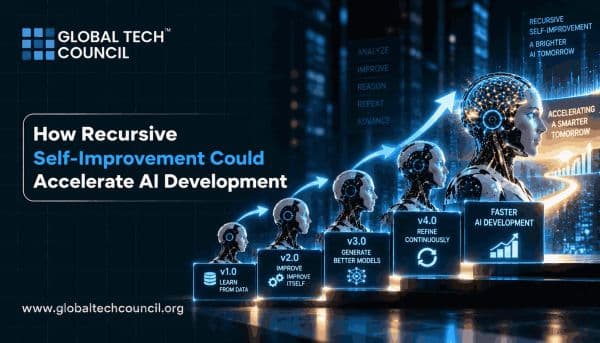
How Recursive Self-Improvement Could Accelerate AI Development
Explore how recursive self-improvement could accelerate AI development by enabling faster model optimization, automated research, capability gains, and more efficient experimentation.
Trending Articles
The Role of Blockchain in Ethical AI Development
How blockchain technology is being used to promote transparency and accountability in artificial intelligence systems.
AWS Career Roadmap
A step-by-step guide to building a successful career in Amazon Web Services cloud computing.
Top 5 DeFi Platforms
Explore the leading decentralized finance platforms and what makes each one unique in the evolving DeFi landscape.