

Top 5 Technologies Reshaping Road Accident Prevention
 Tosh Marketing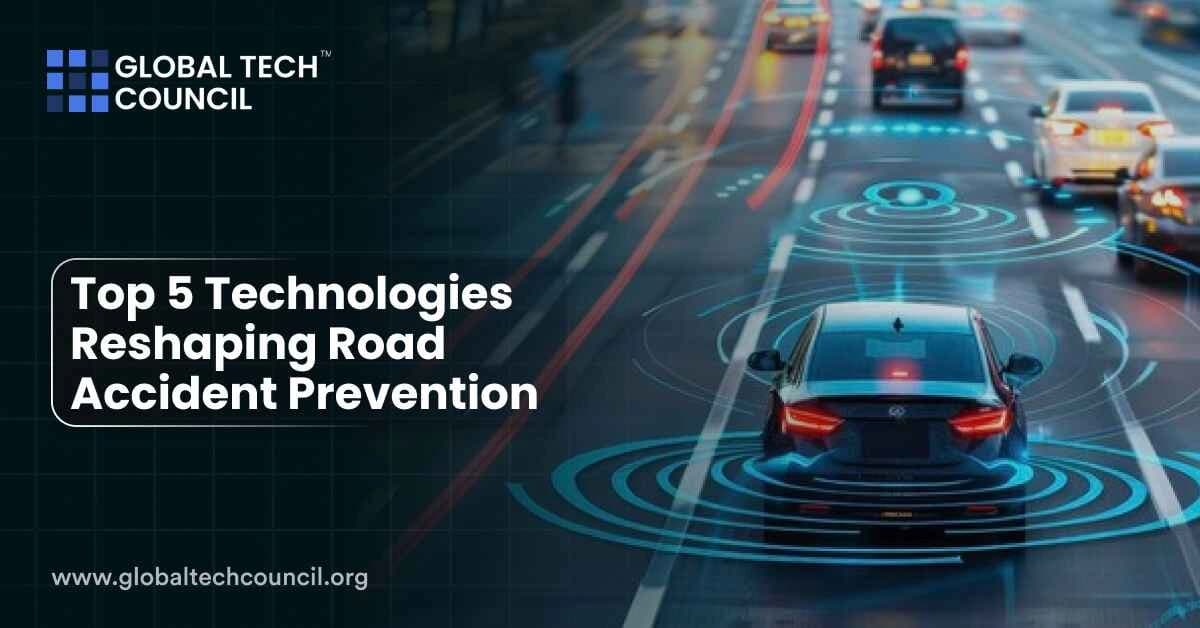
 Technology is transforming road safety, introducing innovative tools to prevent accidents and save lives. From advanced braking systems to AI-powered monitoring, these technologies are reshaping how we navigate roads every day. Let’s explore the top five.
Vehicle-to-Everything (V2X) Communication
V2X technology allows vehicles to exchange real-time data with each other and the surrounding infrastructure. For motorcycles especially, it’s a game-changer. These smaller, less visible vehicles often go unnoticed in blind spots or during poor weather. With V2X, cars can detect nearby motorcycles and warn drivers of their presence before changing lanes or turning at intersections. Thus, it can significantly reduce motorcycle-related collisions by improving visibility and reaction time for all road users. Sure, motorcycle accidents will still happen (and if you’re injured in one, make sure you contact local lawyers – such as these motorcycle accident attorneys in Wichita – as you could pursue compensation), but V2X can undoubtedly help to reduce their number. It’s not just motorcyclists that benefit. V2X enhances safety for all road users, including pedestrians, cyclists, and drivers of larger vehicles. By creating a network of connected communication, it helps prevent accidents across various scenarios.

Autonomous Emergency Braking Systems
Autonomous Emergency Braking (AEB) uses sensors and cameras to monitor the road ahead. When a potential collision is detected, it automatically applies the brakes if the driver doesn’t respond in time. This split-second intervention significantly reduces accidents caused by human error. Whether avoiding rear-end crashes or sudden pedestrian encounters, AEB helps minimize damage and injury.
Artificial Intelligence in Driver Monitoring
Like AEB, AI-powered driver monitoring systems use cameras and sensors. They are used to track drivers’ behavior. They detect signs of fatigue, distraction, or intoxication by analyzing facial expressions, eye movements, and head positioning. For example, if a driver’s attention drifts away from the road, the system issues an immediate alert to refocus them. These systems also store data patterns for continuous improvement in predicting risky behavior. By identifying problems before they escalate into accidents, artificial intelligence can play a vital role in keeping roads safer every day.
Lane Departure Warning and Assistance Technology
Lane departure warning systems alert drivers when their vehicle unintentionally drifts out of its lane. Using cameras to track lane markings, these systems trigger visual or audio warnings if the driver strays without signaling. More advanced versions, like lane-keeping assistance, gently steer the car back into place. This technology prevents accidents caused by drowsy driving or momentary lapses in attention. By maintaining proper lane discipline, it reduces sideswipe collisions and roadway departures that could otherwise lead to serious consequences.
Smart Traffic Management Systems
Lastly, smart traffic management uses real-time data to improve road safety and efficiency. Sensors, cameras, and connected devices monitor traffic flow, accidents, and congestion patterns. This information adjusts traffic signals dynamically to reduce bottlenecks and potential crash points. For instance, adaptive signal timing prevents gridlocks at busy intersections while allowing emergency vehicles priority access. It also enables smoother navigation for drivers by predicting safer routes during high-traffic periods. These systems create safer environments by minimizing human error in managing complex urban traffic scenarios.
Related Articles
View All
Info
How Behavioral Data at Platform Scale Is Reshaping Game Development
Game development has always involved guesswork at the moment it matters most: before launch. Internal teams play a build hundreds of times and stop being capable of seeing it fresh. Recruited testers sit in controlled environments, aware they are being observed, and behave accordingly. The result…

Info
5 Emerging Technologies Revolutionizing the Hospitality Industry
The hospitality industry constantly evolves, driven by new technologies that redefine guest experiences and streamline operations. Emerging tools are changing how hotels connect with travelers. They’re simplifying processes like check-ins, payments, and reservations. And behind the scenes, they’re…
Info
How Do Emerging Technologies Influence Brand Development?
Emerging technologies are reshaping how brands connect with their audiences. From immersive tools to AI-driven innovations, new tech tools unlock fresh ways to stand out in competitive markets. These advancements empower companies to refine their identity, improve engagement, and enhance consumer…
Trending Articles
The Role of Blockchain in Ethical AI Development
How blockchain technology is being used to promote transparency and accountability in artificial intelligence systems.
AWS Career Roadmap
A step-by-step guide to building a successful career in Amazon Web Services cloud computing.
Top 5 DeFi Platforms
Explore the leading decentralized finance platforms and what makes each one unique in the evolving DeFi landscape.