

Can AI Be Biased?

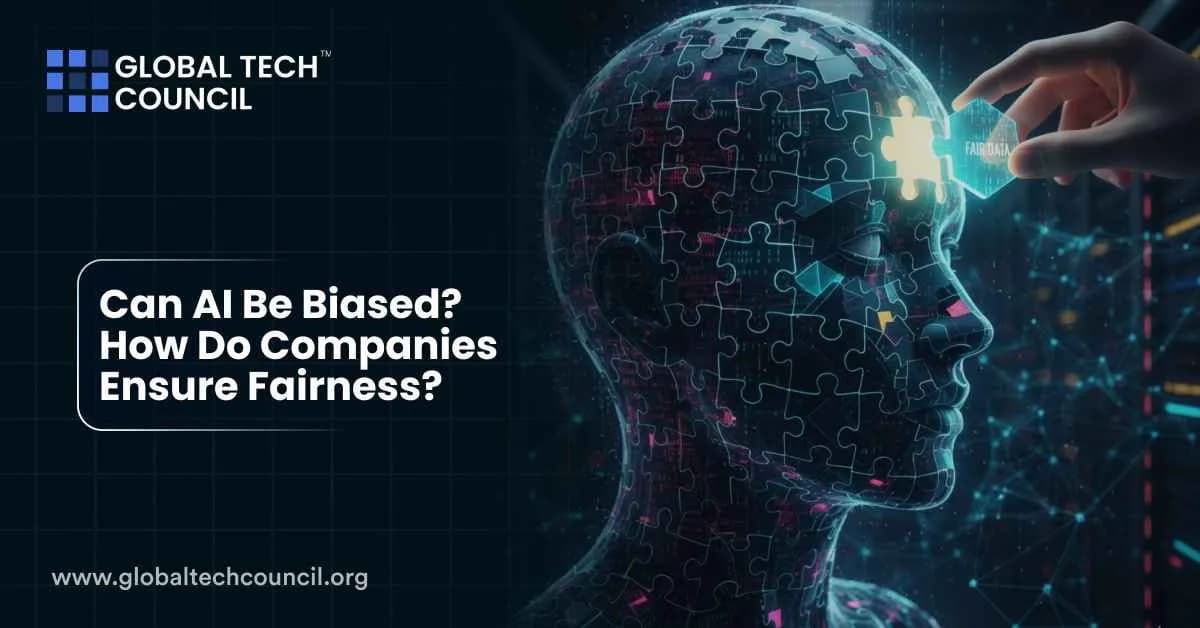
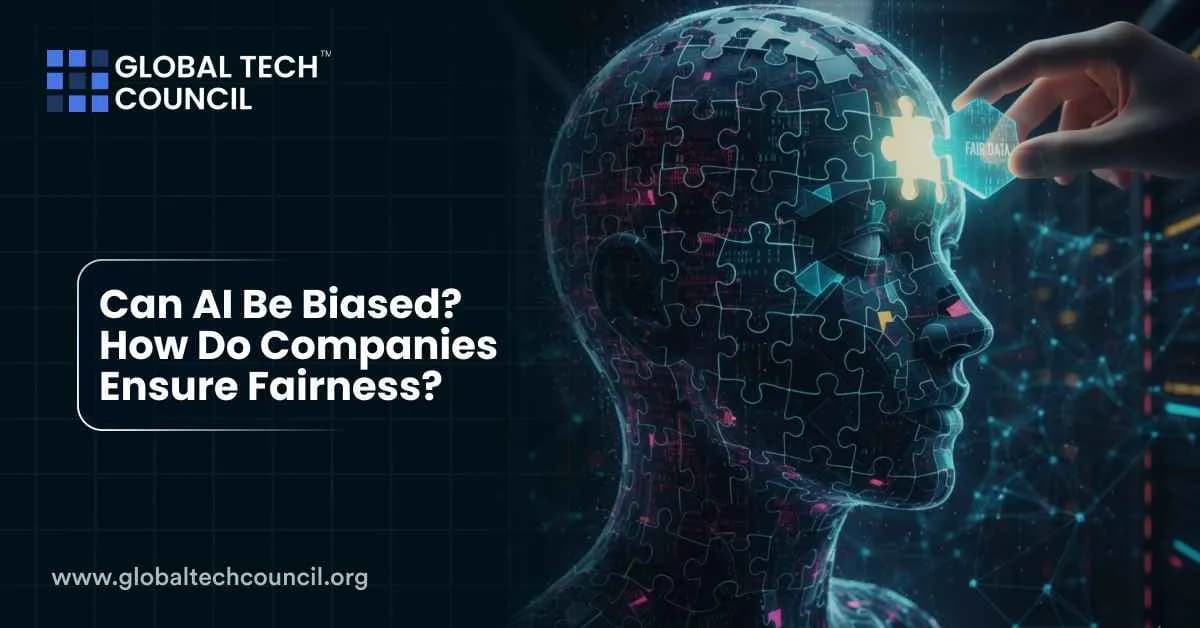 Artificial Intelligence is often praised for being objective, but the truth is that AI can carry the same biases that exist in the data or the systems that shape it. From hiring tools that prefer certain names to healthcare models that misjudge patient needs, the consequences of bias can be serious. Understanding these risks is the first step toward building trustworthy systems. For learners and professionals alike, an artificial intelligence certification is one way to explore how such biases arise and how developers can address them responsibly.
Why Bias Exists in AI
Bias in AI doesn’t come from machines “thinking” unfairly—it comes from the information and instructions humans provide. If the training data underrepresents certain groups, or if proxy variables are used poorly, models may produce outcomes that favor some while disadvantaging others. Feedback loops can make this worse: once biased decisions are made, they influence future data, locking in unfairness over time.

Real-World Examples
Evidence of bias is not theoretical. A study in England found that AI tools analyzing social care notes used more serious terms when describing men compared to women, potentially leading to uneven resource allocation. In recruitment, résumé-screening software has been caught filtering candidates based on historical hiring patterns that favored one demographic over another. Even large foundation models have shown layered biases across race, gender, and occupation, raising concerns about fairness in widely used AI systems.
What Companies Are Doing
Firms are becoming more proactive in tackling these challenges. Bias audits and fairness tests are increasingly standard practice, with new frameworks designed to measure both explicit and subtle bias. Some organizations are improving datasets by ensuring they reflect diverse populations or by creating synthetic data to fill in gaps. Transparency is another key focus—companies now publish details on how their models work and what fairness metrics they track.
Explainability also plays a major role. With explainable AI, developers and users can see why a system made a certain decision, making it easier to detect bias early. Cross-functional teams that bring together data scientists, ethicists, and legal experts are helping to embed fairness into the design process, rather than bolting it on afterward. And governance structures—such as ethics boards or fairness committees—provide oversight as regulations evolve across countries.
Skills That Help Ensure Fairness
Addressing AI bias requires both technical and strategic expertise. A deep tech certification exposes professionals to advanced technologies, including AI, and explores how they can be managed responsibly. Those who want to focus on analyzing data for potential blind spots may choose a Data Science Certification, which emphasizes practical techniques for data preparation and evaluation. For decision-makers, a Marketing and Business Certification links fairness in AI systems with consumer trust and long-term brand strength.
AI Bias and Fairness—Challenges and Mitigation Strategies
| Challenge | How Companies Address It |
| Limited representation in training data | Broaden datasets, use synthetic data for underrepresented groups |
| Hidden or layered bias (e.g., gender + race) | Multi-attribute testing frameworks and fairness audits |
| Lack of transparency in decisions | Use explainable AI to show reasoning behind outputs |
| Risk of reinforcing past discrimination | Monitor feedback loops and retrain models with updated data |
| Ethical and legal pressure | Establish governance boards, follow emerging regulations |
| Trade-offs between fairness and accuracy | Apply post-processing techniques like logit adjustment to balance outcomes |
| Public distrust of AI systems | Publish fairness metrics and build open communication with stakeholders |
| Complex deployment environments | Form cross-functional teams to evaluate impacts before launch |
| Cultural differences in fairness definitions | Adapt systems to local regulations and user expectations |
| Difficulty in long-term oversight | Schedule regular model reviews and fairness re-testing |
Conclusion
AI bias is not inevitable, but it is persistent if left unchecked. Companies that invest in fairness audits, transparency, and inclusive data practices can significantly reduce the risks. At the same time, they must navigate trade-offs between speed, accuracy, and fairness in real-world applications. For students and professionals, gaining expertise in deep tech, data science, and marketing provides the tools to design AI systems that are both effective and equitable. The future of AI will depend not just on how powerful the technology becomes, but on how fairly it treats everyone who interacts with it.
Related Articles
View AllArtificial Intelligence
Project Manager Interview Questions and Answers for 2026
Prepare for 2026 project manager interviews with practical questions, sample answers, AI project scenarios, remote leadership tips, and value-focused guidance.
Artificial Intelligence
How Project Managers Use Data Analytics to Improve Project Outcomes
Learn how project managers use data analytics to improve planning, risk control, budgets, resources, quality, and stakeholder decisions.
Artificial Intelligence
Essential Technical Skills for Project Managers in AI, IT, and Digital Transformation
Technical skills for project managers now include data literacy, AI basics, cloud, cybersecurity, DevOps, and business translation for digital delivery.
Trending Articles
The Role of Blockchain in Ethical AI Development
How blockchain technology is being used to promote transparency and accountability in artificial intelligence systems.
AWS Career Roadmap
A step-by-step guide to building a successful career in Amazon Web Services cloud computing.
Top 5 DeFi Platforms
Explore the leading decentralized finance platforms and what makes each one unique in the evolving DeFi landscape.