

Impact of AI in Renewable Energy
 Tosh Marketing
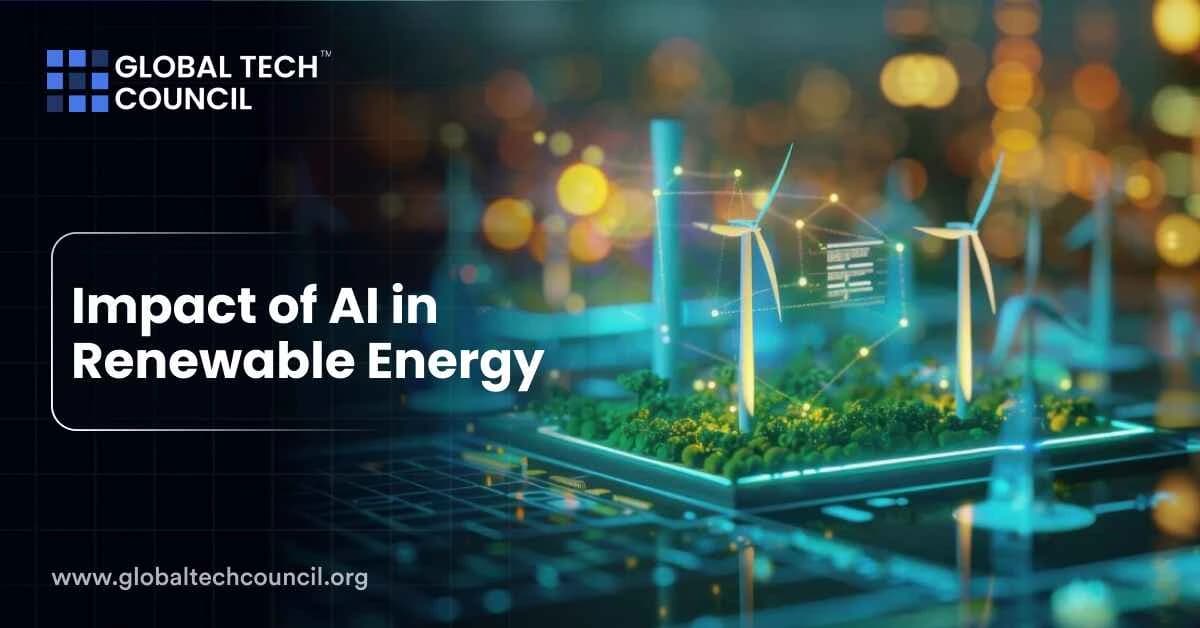

AI is changing how energy systems function, especially with renewable energy becoming more widespread. As more regions transition to power sources like solar, wind, and hydro, AI helps manage the fluctuating nature of these energy types. This ensures that energy grids operate smoothly and efficiently while maximizing the use of renewable energy.
When renewable energy sources are adopted, the need for grids capable of handling their irregular patterns grows. Traditional grids often struggle with the unpredictability of renewable sources. Here, AI steps in as a key solution. By offering accurate forecasting and advanced management, AI enhances energy system stability and reduces disruptions.
AI’s Role in Managing Renewable Energy
AI’s ability to analyze, adjust, and control energy systems in real time is changing energy management. Here are some ways this is happening:
Forecasting Energy Supply and Demand
AI predicts energy production and usage patterns with great precision. For instance, solar power generation heavily relies on weather conditions, making accurate predictions challenging without advanced tools. AI processes data like cloud movements, sunlight levels, and historical weather trends to forecast solar output. This helps adjust grid operations accordingly. At the University of Virginia, AI models are used to predict energy availability and maintain balance in the grid.
Optimizing Energy Storage
Storing energy effectively is a major challenge with renewable sources that produce power intermittently. AI systems manage storage by determining the best times to save or release energy for optimal efficiency. In California, AI helps manage storage systems, ensuring surplus solar power is stored during sunny periods and utilized when demand peaks later.
Advancing Microgrid Performance
AI supports the rise of microgrids, which are localized energy systems that function independently. These grids often depend on solar or wind energy. AI enhances their efficiency by optimizing how energy is distributed and stored. An example is Microsoft’s microgrid in West Atlanta, where AI ensures smooth energy flow during the day and night while also boosting system resilience. To know more about AI and its impact on renewable energy, consider getting expert-led AI certifications by the Global Tech Council.
Strengthening Grid Stability
AI makes energy grids more reliable, especially during disruptions caused by severe weather. It monitors operations in real time, quickly identifying and addressing faults or imbalances before they escalate. For example, AI detects anomalies and adjusts grid operations automatically, reducing downtime and preventing widespread issues.
Managing Consumer Energy Use
AI is helping individuals and businesses reduce their energy consumption. Machine learning algorithms analyze usage patterns and suggest adjustments, such as optimizing heating or cooling based on weather predictions. In the U.K., the National Grid employs AI to forecast high-demand periods, encouraging consumers to lower their energy use and maintain system stability.
Examples of AI in Action
- Google’s Data Centers: Google uses AI from DeepMind to improve the efficiency of its data centers. By analyzing temperature and cooling system data, the AI adjusts operations in real time, cutting energy use by nearly 40%.
- Tesla’s Energy Storage Systems: Tesla’s Powerwall and Powerpack leverage AI to optimize energy storage. These systems analyze demand patterns and regulate charging or discharging to ensure energy availability during peak times.
- Offshore Wind Farms: Offshore wind farms use AI to predict wind conditions and adjust turbine settings for better performance. By making energy output forecasts more reliable, AI helps stabilize the supply from these variable sources.
The Future of AI in Energy Systems
AI’s capabilities are expected to grow, bringing even more transformative changes to energy management. Innovations like self-repairing grids and highly detailed energy system modeling are already on the horizon. As societies push for greener energy solutions, AI will remain central in integrating renewables into existing grids effectively.
From improving efficiency to creating resilient systems, AI will continue shaping the future of energy. By streamlining operations and addressing renewable energy challenges, it holds the potential to drive sustainable energy practices on a global scale.
Related Articles
View All
AI & ML
GPT 6 Astra: What OpenAI's New Frontier Model Means for AI, Security, and Work
GPT 6 Astra is OpenAI's newest frontier model, with phased access, stronger safety controls, and major implications for cybersecurity, coding, and enterprise AI.

AI & ML
What Is Kimi K3?
Kimi K3 is a large language model developed by Moonshot AI, designed for advanced reasoning, coding, multilingual understanding, and AI agent applications. Learn how Kimi K3 works, its key features, use cases, and how it compares with other leading AI models.
AI & ML
How GPT-Live Changes Real-Time AI Assistance for ChatGPT Users
GPT-Live brings full-duplex voice, smarter turn-taking, live translation, and GPT-5.5-backed reasoning to ChatGPT Voice for real-time AI assistance.
Trending Articles
The Role of Blockchain in Ethical AI Development
How blockchain technology is being used to promote transparency and accountability in artificial intelligence systems.
AWS Career Roadmap
A step-by-step guide to building a successful career in Amazon Web Services cloud computing.
Top 5 DeFi Platforms
Explore the leading decentralized finance platforms and what makes each one unique in the evolving DeFi landscape.