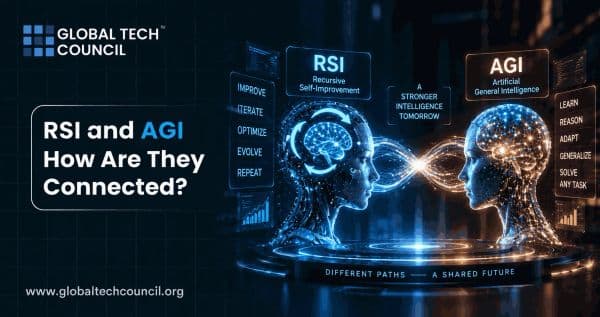
RSI and AGI: How Are They Connected?
Explore how recursive self-improvement and artificial general intelligence are connected, why RSI is often discussed in AGI research, and how self-improving systems could affect future AI capabilities.



243 articles published
Explore how recursive self-improvement and artificial general intelligence are connected, why RSI is often discussed in AGI research, and how self-improving systems could affect future AI capabilities.

Learn the difference between recursive self-improvement and self-learning AI, including how each works, how they differ in autonomy and capability growth, and why the distinction matters.

Oracle layoffs 2026 show how AI and cloud spending are reshaping tech jobs, with routine enterprise roles shrinking and infrastructure skills rising.
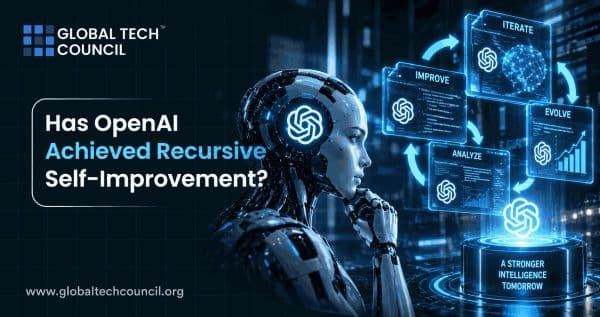
Explore whether OpenAI has achieved recursive self-improvement, how its AI systems are accelerating research, and what still separates current models from fully autonomous RSI.

Explore whether Google has achieved recursive self-improvement in AI, how systems like AlphaEvolve and SIMA 2 demonstrate self-improving capabilities, and what still separates them from true RSI.

Explore whether large language models can achieve recursive self-improvement, how self-improving AI systems might work, and the technical, safety, and architectural limits involved.

Explore whether AI can achieve recursive self-improvement, how such systems might enhance their own capabilities, and the technical, safety, and practical challenges involved.

Recursive self-improvement in artificial intelligence describes a process where an AI system improves its own capabilities and then uses those gains to make further improvements over time.
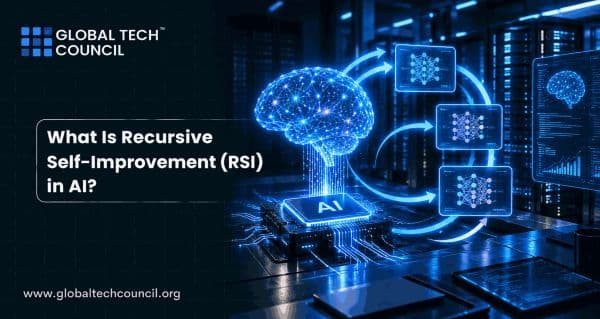
Recursive self-improvement in AI refers to the idea of an artificial intelligence system improving its own capabilities, then using those improvements to enhance itself further over repeated cycles.

Want to use GPT-6 Astra for free? Explore its current availability, access options, supported ChatGPT plans, and what users should know before getting started.
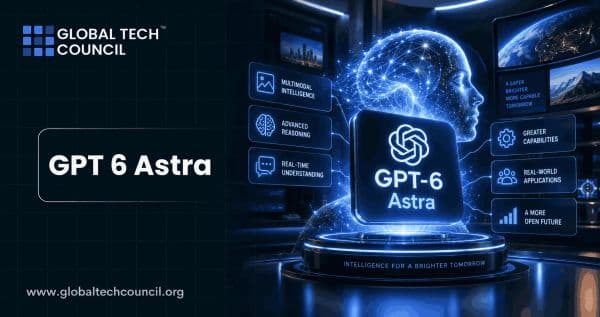
GPT 6 Astra is OpenAI's newest frontier model, with phased access, stronger safety controls, and major implications for cybersecurity, coding, and enterprise AI.

Learn how to create a Bilibili account and upload a video step by step. This beginner-friendly guide covers registration, login, video upload, thumbnails, titles, categories, descriptions, and publishing through Bilibili’s creator tools.