
Phishing-Resistant Security: Email Authentication (SPF/DKIM/DMARC) and User Training That Works
Learn how SPF, DKIM, and DMARC reduce spoofing, where they fall short, and which simulation-driven training methods measurably lower phishing risk.
Browse the latest cyber security articles, tutorials, and research from Global Tech Council.(151 articles)
Learn how SPF, DKIM, and DMARC reduce spoofing, where they fall short, and which simulation-driven training methods measurably lower phishing risk.
Identity and Access Management (IAM) deep dive covering MFA, passwordless authentication, and PAM, with practical patterns for hybrid work, cloud, and Zero Trust.
Learn how SSDLC works in DevSecOps by integrating SAST, SCA, and DAST into CI/CD with layered security gates, faster feedback loops, and runtime validation.
Learn API security essentials for microservices by mapping preventive controls to the OWASP API Top 10 (2023), from BOLA and auth to SSRF, inventory, and abuse.
AI-powered threat detection uses machine learning to triage, enrich, and auto-close alerts, reducing false positives and alert fatigue while improving SOC speed and accuracy.
Practical cloud security best practices checklist for AWS, Azure, and GCP covering IAM, logging, encryption, networking, governance, and DevSecOps automation.
A practitioner-focused ransomware defense playbook for enterprises, covering prevention controls, detection engineering, and incident response steps to reduce impact and recover faster.
Zero Trust security in 2026 requires identity-first architecture, continuous verification, microsegmentation, and data-centric controls. Learn the steps to implement and the pitfalls to avoid.
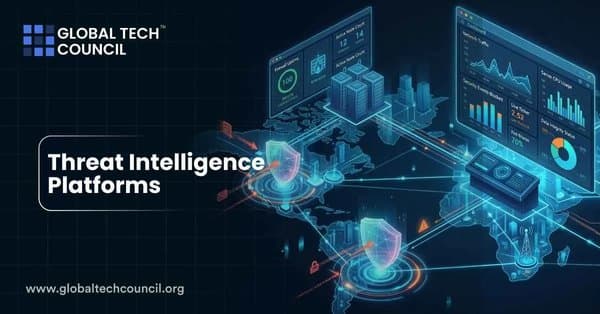
What is Threat Intelligence Platforms Threat Intelligence Platforms (TIPs) are systems that collect, organize, analyze, and share cyber threat data so security teams can act faster and more accurately. Instead of keeping indicators, malware notes, attack patterns, and vulnerability alerts scattered…
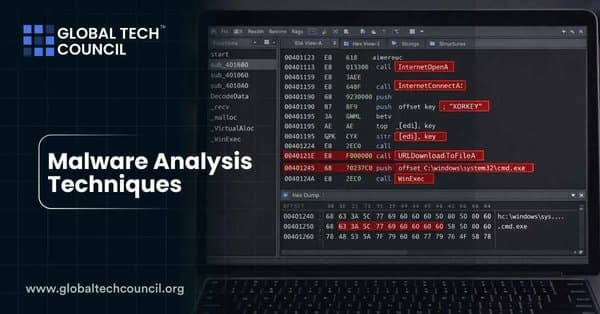
Introduction Malware analysis is the process of examining malicious software to understand how it works, what it targets, and how to detect or contain it. Security teams use malware analysis to investigate incidents, improve defenses, support threat hunting, and produce indicators and rules that…
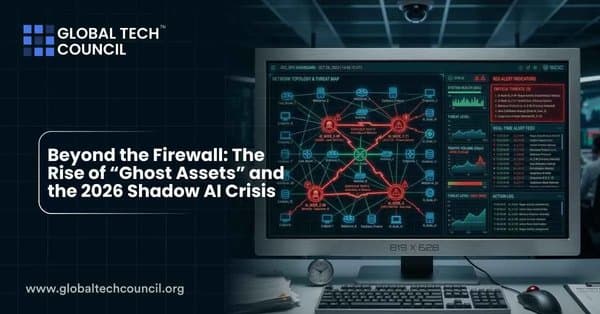
For years, cybersecurity conversations almost always started with the firewall. If a company could lock down its network perimeter, control logins, and keep an eye on employee devices, the thinking went that most threats would stay outside. That model worked reasonably well in the early days of…
Whaling is one of the most dangerous and misunderstood threats in modern cyber security because it does not rely on technical exploits alone. It relies on trust, authority, and human judgment at the highest levels of an organization. Instead of targeting random employees, attackers carefully go…