

AI in Cybersecurity
 Tosh Marketing
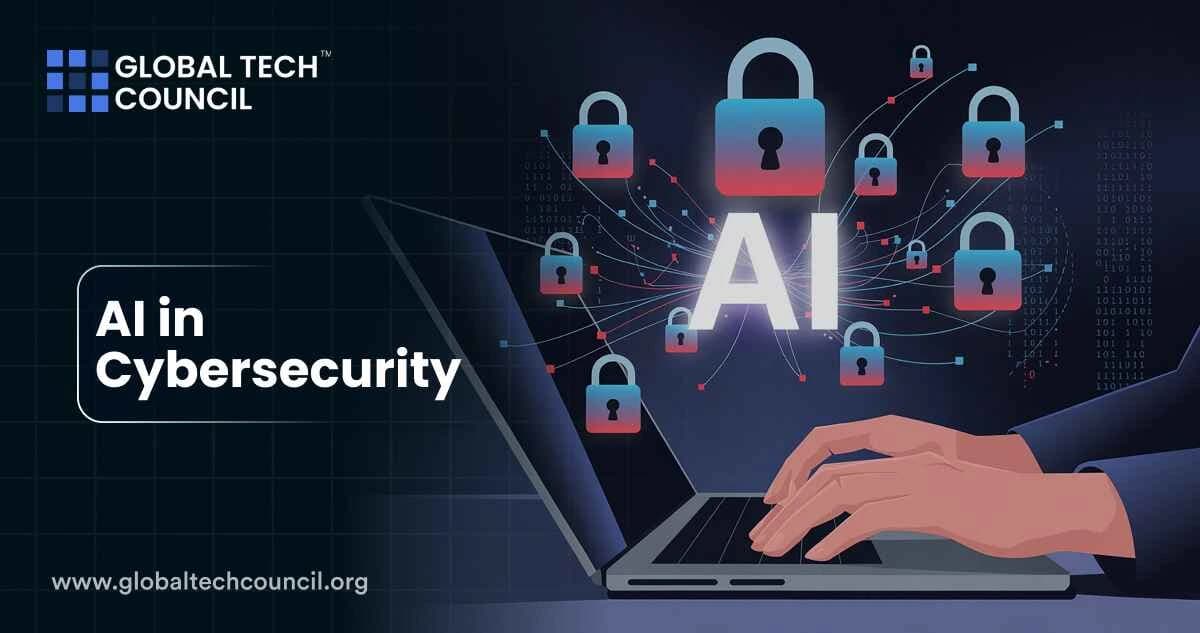 Artificial Intelligence is transforming how organizations defend their digital environments. With cyber threats becoming more advanced, traditional security systems are no longer sufficient to handle the scale and complexity of modern attacks. AI introduces intelligent automation, predictive analysis, and real time threat detection, making it a critical component of today’s cybersecurity strategies.
This article explores how AI is reshaping cybersecurity, the technologies powering it, practical applications, industry trends, and how professionals can build expertise in this fast growing field.

To begin a successful journey in this domain, professionals can enhance their skills with certifications such as the AI Expert certification and the Agentic AI certification, which provide a strong foundation in AI driven systems and cybersecurity applications.
The Evolution of Cybersecurity with Artificial Intelligence
Cybersecurity has evolved significantly over the past decade. Earlier systems relied heavily on rule based detection and manual monitoring. However, the rapid increase in cyberattacks has made it necessary to adopt smarter solutions.
AI introduces the ability to learn from data, recognize patterns, and adapt to new threats automatically. Unlike traditional tools, AI systems continuously improve, making them more effective against emerging risks such as ransomware, phishing, and zero day attacks.
This evolution is driven by the need for faster response times, improved accuracy, and the ability to process large volumes of data efficiently.
Why Modern Security Systems Depend on AI
Rising Sophistication of Cyber Attacks
Cybercriminals now use automation and advanced techniques to bypass traditional defenses. AI helps identify hidden attack patterns and predict potential threats.
Data Explosion Across Organizations
Modern businesses generate vast amounts of data daily. AI enables faster analysis and real time monitoring of this data.
Need for Immediate Threat Response
AI reduces response time by detecting and neutralizing threats instantly, minimizing potential damage.
Shortage of Cybersecurity Talent
There is a growing gap between demand and availability of skilled professionals. AI bridges this gap by automating repetitive tasks.
To gain hands-on experience in building intelligent systems, professionals can consider the AI Powered coding expert certification, which focuses on practical implementation of AI technologies.
Core Technologies Powering AI in Cybersecurity
Machine Learning for Threat Prediction
Machine learning models analyze historical data to detect patterns and forecast potential cyber threats. These models improve continuously with new data inputs.
Deep Learning for Complex Data Analysis
Deep learning uses advanced neural networks to process complex datasets such as network traffic, enabling detection of sophisticated attacks.
Natural Language Processing for Threat Detection
NLP helps identify malicious intent in emails, messages, and documents, making it highly effective against phishing attacks.
Behavioral Analytics for User Monitoring
AI tracks user activity and detects unusual behavior that may indicate insider threats or compromised accounts.
Automation for Security Operations
Automation enhances efficiency by handling tasks such as alert generation, incident response, and system monitoring.
Practical Use Cases of AI in Cybersecurity
Intelligent Threat Detection
AI systems monitor networks continuously and identify suspicious activities before they escalate into serious attacks.
Fraud Prevention in Financial Systems
Banks and financial institutions use AI to analyze transaction patterns and detect fraudulent activities instantly.
Endpoint Protection
AI secures devices such as laptops and mobile phones by detecting abnormal behavior and blocking threats in real time.
Identity Verification and Access Control
AI strengthens authentication systems by analyzing user behavior and implementing adaptive security measures.
Security Analytics and Monitoring
AI enhances security monitoring systems by analyzing logs and generating actionable insights.
Industry Applications and Real World Impact
Banking and Finance
AI helps detect fraudulent transactions, secure digital banking platforms, and prevent financial losses.
Healthcare Sector
Hospitals use AI to protect sensitive patient data and ensure compliance with privacy regulations.
E commerce Platforms
AI safeguards customer information and prevents payment fraud by analyzing user behavior.
Government and Defense
Governments rely on AI to secure critical infrastructure and defend against cyber warfare.
Advantages of Integrating AI in Cybersecurity
Improved Threat Detection Accuracy
AI identifies complex attack patterns that traditional systems may miss.
Faster Incident Response
Automated systems react instantly, reducing the impact of cyberattacks.
Scalability for Growing Businesses
AI systems can handle increasing data volumes without compromising performance.
Cost Optimization
Automation reduces the need for extensive manual intervention, lowering operational costs.
Continuous Learning and Adaptation
AI systems evolve over time, becoming more effective in detecting new threats.
Key Challenges and Limitations
Data Privacy and Compliance Issues
AI systems require large datasets, which may raise concerns about data protection.
High Initial Investment
Implementing AI based security solutions can be expensive for organizations.
False Alerts and Misclassification
AI may generate false positives, requiring human verification.
Risk of Adversarial Attacks
Attackers can manipulate AI models by feeding them misleading data.
Skill Gap in Workforce
Organizations need trained professionals to manage AI systems effectively.
Professionals can strengthen their technical foundation by exploring platforms like deeptech certification, which provide access to advanced learning resources in emerging technologies.
Agentic AI and Its Growing Role in Security
Agentic AI represents a new generation of intelligent systems capable of autonomous decision making. These systems can act independently, adapt to dynamic environments, and respond to threats without human intervention.
In cybersecurity, agentic AI enables:
- Automated threat mitigation
- Real time risk evaluation
- Adaptive defense strategies
- Coordination across multiple systems
This advancement significantly enhances the speed and efficiency of cybersecurity operations.
Latest Trends Shaping AI Driven Cybersecurity
AI Powered Threat Intelligence
AI collects and analyzes data from various sources to identify emerging threats.
Zero Trust Security Frameworks
AI supports continuous verification of users and devices, strengthening security.
Cloud Security Enhancements
AI improves cloud protection by monitoring and analyzing activities in real time.
IoT Security Solutions
AI secures interconnected devices by detecting vulnerabilities and anomalies.
Explainable AI Models
Organizations are focusing on transparency in AI decision making to build trust.
Essential Skills for AI Cybersecurity Professionals
To succeed in this field, professionals should develop a combination of technical and analytical skills:
- Understanding of artificial intelligence and machine learning
- Programming expertise in modern languages
- Knowledge of cybersecurity frameworks
- Data analysis and visualization capabilities
- Critical thinking and problem solving skills
Additionally, expanding knowledge across domains with certifications like the AI powered digital marketing expert helps professionals understand the broader impact of AI across industries.
Career Pathways in AI Cybersecurity
Build Strong Fundamentals
Start with basic concepts in cybersecurity and artificial intelligence.
Gain Hands On Experience
Work on real projects, simulations, and case studies.
Earn Industry Certifications
Certifications validate your expertise and enhance career prospects.
Stay Updated with Trends
Continuous learning is essential in this rapidly evolving field.
Engage with Professional Communities
Networking helps in gaining insights and exploring new opportunities.
Future Outlook of AI in Cybersecurity
The future of AI in cybersecurity is highly promising. As technologies continue to evolve, AI systems will become more intelligent, autonomous, and efficient.
Key developments expected in the coming years include:
- Fully autonomous security systems
- Integration with advanced computing technologies
- Enhanced predictive threat analysis
- Stronger collaboration between human experts and AI systems
Organizations will increasingly depend on AI to maintain secure and resilient digital environments.
Final Thoughts
AI is reshaping cybersecurity by introducing intelligent, adaptive, and scalable solutions. It empowers organizations to stay ahead of cyber threats while improving operational efficiency.
However, successful implementation requires skilled professionals, continuous innovation, and strategic investment. By gaining the right knowledge and certifications, individuals can build a successful career in this dynamic field.
Frequently Asked Questions
1. What is AI in cybersecurity
AI in cybersecurity refers to the use of artificial intelligence technologies to detect, prevent, and respond to cyber threats.
2. Why is AI important for cybersecurity
AI enables faster threat detection, improved accuracy, and real time response to cyberattacks.
3. What are the main benefits of AI in cybersecurity
Key benefits include enhanced detection, automation, scalability, and cost efficiency.
4. What challenges does AI face in cybersecurity
Challenges include data privacy concerns, high costs, and false positives.
5. What is agentic AI
Agentic AI refers to systems that can make decisions and act independently without human intervention.
6. Which industries use AI in cybersecurity
Industries include banking, healthcare, e-commerce, and government sectors.
7. What skills are required for AI cybersecurity roles
Skills include machine learning, programming, cybersecurity knowledge, and data analysis.
8. How can I start a career in AI cybersecurity
Start with foundational learning, gain practical experience, and earn relevant certifications.
9. Is AI replacing cybersecurity professionals
No, AI enhances human capabilities and improves efficiency.
10. What is the future of AI in cybersecurity
The future includes autonomous systems, predictive analytics, and advanced threat detection technologies.
Related Articles
View All
AI & ML
Meet Google Playground: Create Games With AI
Meet Google Playground, Google's new experimental platform that lets you create, play, and share custom games with text prompts. Learn how it works, basic game design tips, a sample session, safety and sharing features, Unity Spark plans, and limits.
AI & ML
OpenAI Dots vs Grok Bot vs Muse
Compare OpenAI Dots, Grok Bot, and Meta Muse to understand how these persistent AI agents differ in cloud computer use, connected apps, automation, memory, and long-running workflows.
AI & ML
What Is OpenAI Dots?
Learn what OpenAI Dots are, how these always-on AI agents work, and how they use GPT-6 Astra, cloud computers, connected apps, and persistent context to manage ongoing tasks.
Trending Articles
The Role of Blockchain in Ethical AI Development
How blockchain technology is being used to promote transparency and accountability in artificial intelligence systems.
AWS Career Roadmap
A step-by-step guide to building a successful career in Amazon Web Services cloud computing.
Top 5 DeFi Platforms
Explore the leading decentralized finance platforms and what makes each one unique in the evolving DeFi landscape.