

AI in Digital Marketing
 Tosh Marketing
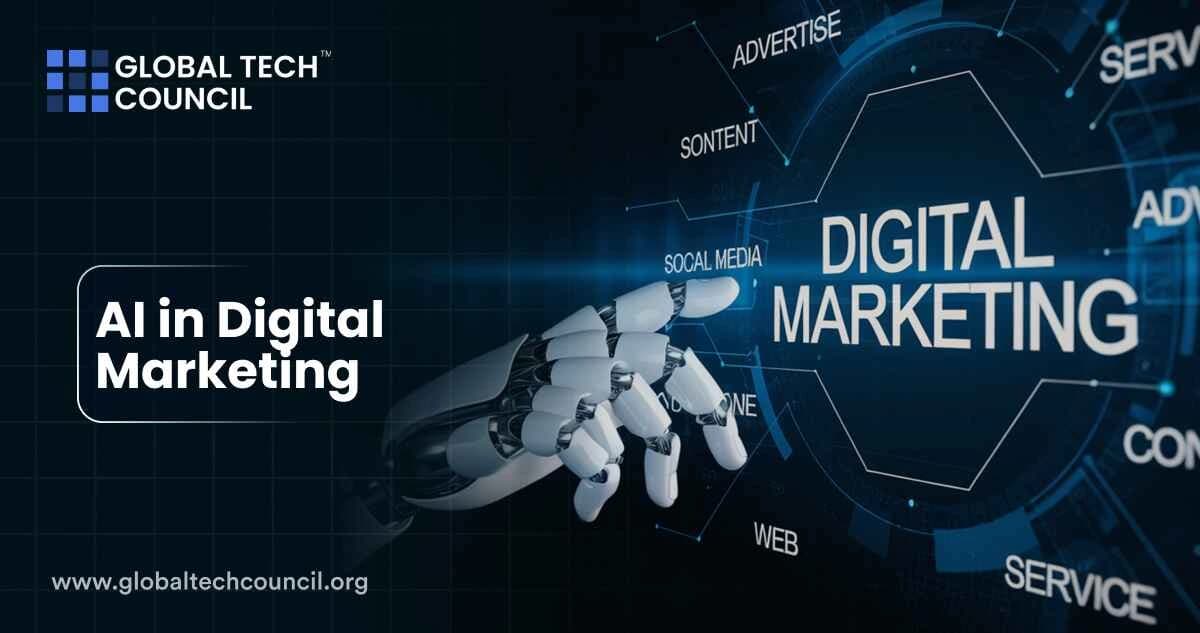 Artificial Intelligence is reshaping digital marketing by enabling brands to deliver smarter, faster, and more personalized customer experiences. As consumer behavior becomes increasingly complex, businesses must adopt intelligent technologies that can analyze data, predict trends, and automate marketing strategies effectively.
AI has become a powerful tool for marketers, helping them move beyond traditional campaigns toward data driven, customer centric approaches. From personalized recommendations to automated advertising, AI is transforming how businesses interact with their audiences and drive growth.

To build a strong foundation in this evolving field, professionals can explore certifications such as the AI Expert certification and the Agentic AI certification, which provide essential knowledge of AI technologies and their applications in digital marketing.
How Artificial Intelligence is Reshaping Marketing Strategies
The marketing landscape has undergone a major transformation with the integration of AI. Traditional methods relied on assumptions and past performance data, but AI introduces predictive capabilities that allow businesses to anticipate customer needs.
AI driven systems analyze large datasets to uncover patterns and insights that were previously difficult to identify. This enables marketers to create highly targeted campaigns that resonate with specific audiences. As a result, businesses can improve engagement, increase conversions, and build stronger customer relationships.
Key Drivers Behind AI Adoption in Digital Marketing
Rising Volume of Consumer Data
Businesses collect data from multiple channels, including websites, mobile apps, and social media. AI helps process this data efficiently and extract meaningful insights.
Increasing Demand for Personalization
Customers expect tailored experiences. AI enables marketers to deliver personalized content, recommendations, and offers based on individual preferences.
Need for Real Time Insights
AI allows marketers to monitor campaigns in real time and make immediate adjustments to improve performance.
Automation for Efficiency
AI automates repetitive tasks such as email marketing, ad management, and customer segmentation, saving time and resources.
Professionals looking to build technical expertise can benefit from the AI Powered coding expert certification, which focuses on developing AI driven applications.
Core AI Technologies Used in Digital Marketing
Machine Learning for Data Analysis
Machine learning algorithms analyze customer data to identify patterns and predict future behavior. This helps marketers optimize campaigns and improve targeting.
Natural Language Processing for Customer Insights
NLP enables businesses to understand customer sentiment by analyzing reviews, comments, and social media interactions.
Predictive Analytics for Strategic Planning
Predictive models forecast customer actions, allowing marketers to design more effective campaigns.
Computer Vision for Visual Content Optimization
AI analyzes images and videos to understand user preferences and enhance visual marketing strategies.
Chatbots for Customer Engagement
AI powered chatbots provide instant responses, improving customer satisfaction and reducing response times.
Practical Applications of AI in Digital Marketing
Personalized Marketing Campaigns
AI enables businesses to create customized campaigns based on user behavior and preferences, leading to higher engagement.
Email Marketing Automation
AI optimizes email campaigns by determining the best time to send messages and personalizing content.
Social Media Optimization
AI tools analyze trends, schedule posts, and improve audience targeting on social platforms.
Search Engine Optimization
AI enhances SEO strategies by analyzing keywords, optimizing content, and tracking performance.
Digital Advertising Optimization
AI improves ad targeting and bidding strategies, ensuring better return on investment.
Industry Examples of AI Driven Marketing Success
E commerce Industry
Online retailers use AI to recommend products based on browsing history and purchase behavior, increasing sales.
Media and Entertainment
Streaming platforms use AI to suggest content, improving user engagement and retention.
Retail Sector
Retail brands use AI to analyze customer data and create personalized marketing strategies.
Travel and Hospitality
AI predicts customer preferences and offers tailored travel recommendations.
Advantages of AI in Digital Marketing
Enhanced Customer Experience
AI delivers personalized interactions, improving customer satisfaction and loyalty.
Improved Conversion Rates
Targeted campaigns result in higher engagement and better conversion outcomes.
Increased Efficiency
Automation reduces manual workload and improves productivity.
Data Driven Decision Making
AI provides actionable insights that help marketers make informed decisions.
Scalability for Large Campaigns
AI systems can manage large scale campaigns without compromising performance.
Challenges in Implementing AI for Marketing
Data Privacy and Security
Handling customer data requires strict compliance with privacy regulations.
High Initial Investment
AI technologies can be costly to implement and maintain.
Lack of Skilled Professionals
There is a growing demand for experts who understand both AI and marketing.
Dependence on Data Quality
AI systems rely on accurate data to deliver effective results.
Ethical Concerns
Businesses must ensure ethical use of AI to maintain customer trust.
To strengthen programming skills essential for AI development, professionals can explore the deeptech certification, which provides access to advanced learning resources.
The Impact of Agentic AI on Marketing Automation
Agentic AI represents a new generation of AI systems capable of making independent decisions. In digital marketing, this technology can manage campaigns, analyze performance, and optimize strategies without constant human intervention.
For example, agentic AI can automatically adjust advertising budgets, refine targeting strategies, and generate personalized content in real time. This level of automation enhances efficiency and ensures better outcomes.
Emerging Trends in AI Powered Digital Marketing
Hyper Personalization
AI enables highly customized experiences by analyzing individual user data.
Voice Search and Conversational Marketing
The rise of voice assistants is changing how users search for information, requiring marketers to adapt.
AI Generated Content
AI tools are being used to create blogs, advertisements, and social media content.
Influencer Marketing Analytics
AI helps identify suitable influencers and measure campaign effectiveness.
Omnichannel Marketing Integration
AI ensures a seamless customer experience across multiple platforms.
Skills Needed for AI Driven Marketing Careers
To succeed in this field, professionals should develop a diverse skill set:
- Knowledge of artificial intelligence and machine learning
- Understanding of digital marketing strategies
- Data analysis and interpretation skills
- Programming knowledge
- Creativity and strategic thinking
Enhancing your expertise with the AI powered digital marketing expert certification can provide specialized knowledge in this area.
Steps to Build a Career in AI Digital Marketing
Learn Fundamental Concepts
Start with the basics of marketing and artificial intelligence.
Gain Hands On Experience
Work on real world projects to develop practical skills.
Earn Recognized Certifications
Certifications validate your expertise and improve career prospects.
Stay Updated with Trends
Continuous learning is essential to keep up with technological advancements.
Build a Professional Network
Engage with industry experts and communities to expand opportunities.
Future Outlook of AI in Digital Marketing
The future of AI in digital marketing is promising, with continuous advancements expected in automation and personalization. AI systems will become more intelligent, enabling deeper insights and better decision making.
Key developments include fully automated marketing campaigns, advanced predictive analytics, and enhanced customer experiences. Businesses will increasingly rely on AI to remain competitive and deliver value to their customers.
Conclusion
AI is transforming digital marketing by enabling smarter, more efficient, and highly personalized strategies. It empowers businesses to understand their customers better, optimize campaigns, and achieve measurable results.
However, successful implementation requires skilled professionals, high quality data, and continuous innovation. By investing in the right knowledge and certifications, individuals can build a successful career in this dynamic field.
Frequently Asked Questions
1. What is AI in digital marketing
AI in digital marketing refers to the use of artificial intelligence technologies to improve marketing strategies and customer engagement.
2. How does AI improve marketing performance
AI analyzes data, predicts customer behavior, and optimizes campaigns in real time.
3. What are the benefits of AI in marketing
Benefits include personalization, efficiency, scalability, and better decision making.
4. What challenges does AI face in marketing
Challenges include data privacy concerns, high costs, and lack of skilled professionals.
5. What is agentic AI in digital marketing
Agentic AI refers to systems that can manage and optimize marketing campaigns independently.
6. Which industries use AI in digital marketing
Industries include e commerce, retail, healthcare, and travel.
7. What skills are required for AI marketing roles
Skills include data analysis, AI knowledge, and marketing expertise.
8. How can I start a career in AI digital marketing
Start with foundational knowledge, gain practical experience, and earn certifications.
9. Is AI replacing marketers
No, AI enhances human capabilities and improves efficiency.
10. What is the future of AI in digital marketing
The future includes automation, personalization, and advanced analytics.
Related Articles
View All
AI & ML
Meet Google Playground: Create Games With AI
Meet Google Playground, Google's new experimental platform that lets you create, play, and share custom games with text prompts. Learn how it works, basic game design tips, a sample session, safety and sharing features, Unity Spark plans, and limits.
AI & ML
OpenAI Dots vs Grok Bot vs Muse
Compare OpenAI Dots, Grok Bot, and Meta Muse to understand how these persistent AI agents differ in cloud computer use, connected apps, automation, memory, and long-running workflows.
AI & ML
What Is OpenAI Dots?
Learn what OpenAI Dots are, how these always-on AI agents work, and how they use GPT-6 Astra, cloud computers, connected apps, and persistent context to manage ongoing tasks.
Trending Articles
The Role of Blockchain in Ethical AI Development
How blockchain technology is being used to promote transparency and accountability in artificial intelligence systems.
AWS Career Roadmap
A step-by-step guide to building a successful career in Amazon Web Services cloud computing.
Top 5 DeFi Platforms
Explore the leading decentralized finance platforms and what makes each one unique in the evolving DeFi landscape.