Suyash Raizada
Meet GPT-6.1 Terra: OpenAI’s New AI Model
OpenAI has introduced GPT-6.1 Terra, a mid-sized model with stronger computer use, better image reading and a 50% lower API price. Learn what it does, how it performs, and who should use it.


Browse the latest ai articles, tutorials, and research from Global Tech Council.(628 articles)
OpenAI has introduced GPT-6.1 Terra, a mid-sized model with stronger computer use, better image reading and a 50% lower API price. Learn what it does, how it performs, and who should use it.

Explore how HireValid helps employers distinguish genuine skills from undisclosed AI assistance through job-relevant assessments, integrity signals, and human-reviewed evidence

Explore how HireValid helps employers combat AI-assisted cheating in recruitment through AI-resistant assessments, integrity signals, job-relevant skills testing, and human-reviewed evidence.
Google has launched Gemini 4 Argon, a new AI model built for deep, multi-step work in coding, science, law, finance and security. Learn its features, pricing and how to access it.

Meta has launched Muse Wonder and Muse Wonder Full, new AI models built for agents with Active Memory and Active Focus. Learn how they work, what they cost and how to access them.

Meet Google Playground, Google's new experimental platform that lets you create, play, and share custom games with text prompts. Learn how it works, basic game design tips, a sample session, safety and sharing features, Unity Spark plans, and limits.
Compare OpenAI Dots, Grok Bot, and Meta Muse to understand how these persistent AI agents differ in cloud computer use, connected apps, automation, memory, and long-running workflows.

Learn what OpenAI Dots are, how these always-on AI agents work, and how they use GPT-6 Astra, cloud computers, connected apps, and persistent context to manage ongoing tasks.
OpenAI launches GPT-6.1 Sol, a powerful reasoning model delivering near-Astra performance at lower cost for coding, computer use, multi-agent workflows, and professional tasks.
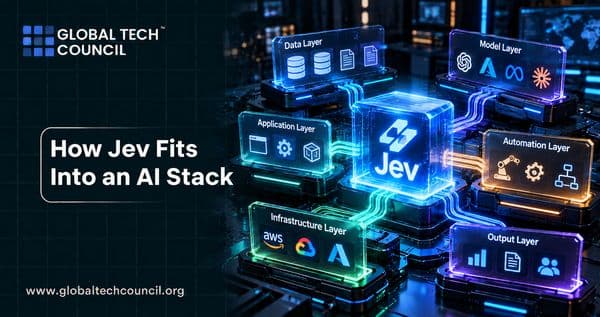
Learn how Jev fits into an AI stack as a machine-native decision layer that provides typed, probabilistic outputs for applications, agents, workflows, and automation systems.
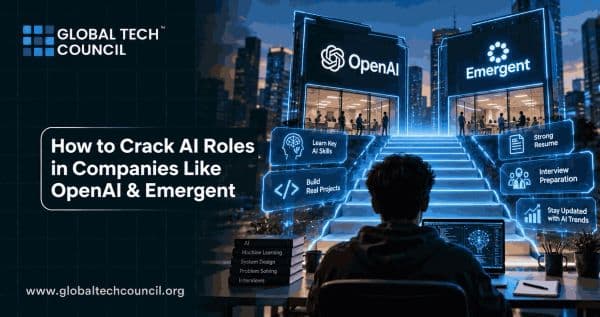
Learn how to prepare for AI roles at companies like OpenAI and Emergent by developing in-demand technical skills, building strong projects, gaining practical experience, and preparing for interviews.
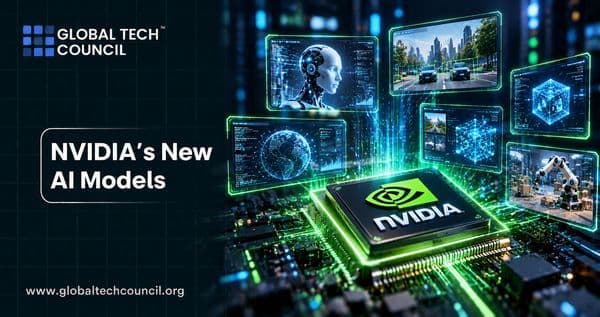
Explore NVIDIA Nemotron 3.5 Lightning and Cosmos 3, how they support agentic and Physical AI, and what these models reveal about NVIDIA’s evolving vision for autonomous intelligent systems.