

Research & Knowledge Hub
2,170+ research articles, technical guides, and in-depth analyses authored by council members and industry experts.
Latest Articles
2,170 articles

Recursive Self-Improvement: Benefits, Challenges, Risks, and Future Possibilities
Explore recursive self-improvement in AI, including its potential benefits, technical challenges, safety risks, and future possibilities for more capable and autonomous systems.
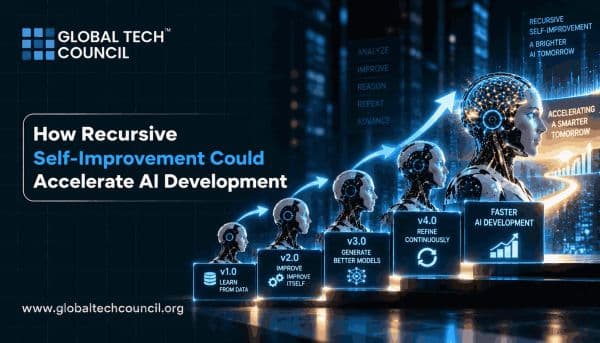
How Recursive Self-Improvement Could Accelerate AI Development
Explore how recursive self-improvement could accelerate AI development by enabling faster model optimization, automated research, capability gains, and more efficient experimentation.
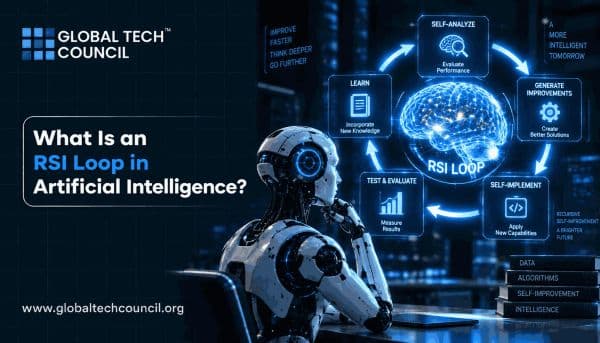
What Is an RSI Loop in Artificial Intelligence?
Learn what an RSI loop is in artificial intelligence, how recursive self-improvement could operate through repeated cycles, and why the concept matters for AGI and AI safety.
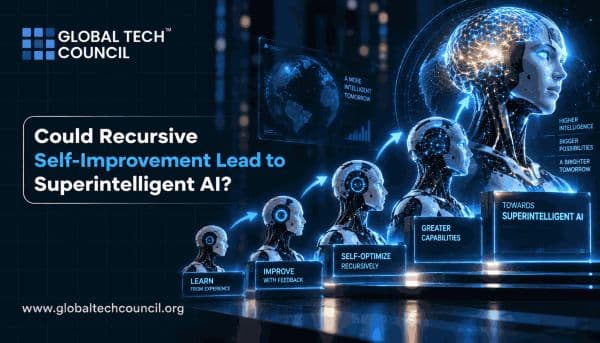
Could Recursive Self-Improvement Lead to Superintelligent AI?
Explore whether recursive self-improvement could lead to superintelligent AI, how rapid capability growth might occur, and the major technical, safety, and governance questions involved.
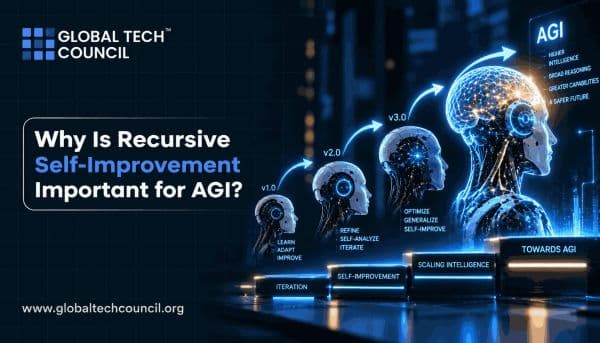
Why Is Recursive Self-Improvement Important for AGI?
Explore why recursive self-improvement is important in AGI research, how it could accelerate capability growth, and why it raises major questions around control, alignment, and AI safety.
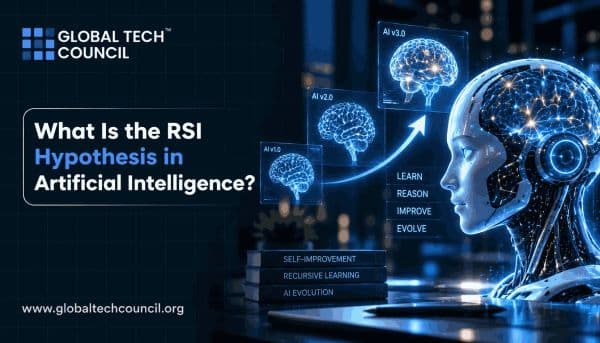
What Is the RSI Hypothesis in Artificial Intelligence?
Learn what the recursive self-improvement hypothesis means in artificial intelligence, how the idea works, and why it is often discussed in debates about AGI, superintelligence, and AI safety.

Can an AI Model Create a Better AI Model Than Itself?
Explore whether an AI model can help create a more capable AI system than itself, how automated model design and optimization work, and what limits still remain.
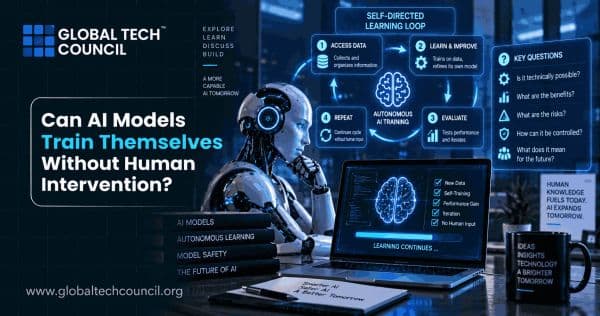
Can AI Models Train Themselves Without Human Intervention?
Explore whether AI models can train themselves without human intervention, how self-supervised and automated training methods work, and where human oversight is still required.

Can Gemini Improve Itself? Google’s AI and Recursive Self-Improvement
Explore whether Google Gemini can improve itself, how DeepMind is developing self-improving AI systems, and what separates current capabilities from true recursive self-improvement.
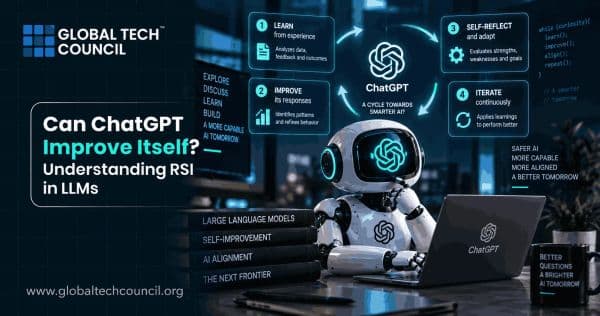
Can ChatGPT Improve Itself? Understanding RSI in LLMs
Explore whether ChatGPT can improve itself, how recursive self-improvement differs from normal model training, and what current LLMs can and cannot do autonomously.

Recursive Self-Improvement and the Future of Artificial Intelligence
Explore how recursive self-improvement could shape the future of artificial intelligence, from faster capability growth and automated research to major safety, governance, and alignment challenges.
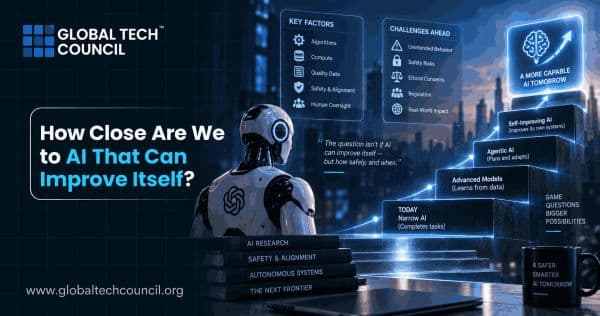
How Close Are We to AI That Can Improve Itself?
Explore how close today’s AI systems are to improving themselves, what progress has been made in automated AI research, and what technical and safety barriers still stand in the way of true recursive self-improvement.